


Nutrition Tips for Better Eye Health: What You Need to Know
Taking care of your eyes is more than just wearing sunglasses or getting regular checkups. What you eat plays a huge role in keeping your vision sharp and your eyes healthy. I want to share some simple, practical nutrition tips that can help you protect your eyesight for years to come. Whether you’re shopping for your family or just looking out for yourself, these ideas are easy to follow and packed with benefits.
Why Nutrition for Eye Health Matters
You might wonder, why focus on nutrition for eye health? Our eyes are delicate organs that need the right nutrients to function well. Just like your body needs fuel to run, your eyes need vitamins, minerals, and antioxidants to stay strong and fight off damage.
Certain nutrients help protect your eyes from common problems like age-related macular degeneration (AMD), cataracts, and dry eyes. Eating a balanced diet rich in these nutrients can slow down or even prevent some of these issues. Plus, good nutrition supports overall health, so it’s a win-win.
Here are some key nutrients to keep in mind:
Vitamin A: Essential for good vision, especially in low light.
Vitamin C and E: Powerful antioxidants that protect eye cells.
Zinc: Helps vitamin A create a pigment called melanin, which protects the eye.
Omega-3 fatty acids: Important for retina health and reducing dry eye symptoms.
Lutein and Zeaxanthin: Carotenoids that filter harmful blue light and protect the retina.
Eating foods rich in these nutrients is the best way to support your eyes naturally.

Best Foods for Nutrition for Eye Health
Let’s talk about what you can put on your plate to boost your eye health. You don’t need fancy supplements or expensive superfoods. Many common foods are packed with the nutrients your eyes love.
Leafy Greens
Spinach, kale, and collard greens are loaded with lutein and zeaxanthin. These antioxidants act like natural sunglasses, protecting your eyes from harmful light and oxidative stress. Try adding a handful of spinach to your morning smoothie or a side of kale with dinner.
Colorful Fruits and Vegetables
Carrots are famous for their vitamin A content, but don’t stop there. Sweet potatoes, bell peppers, and oranges are also great sources of vitamins A and C. These vitamins help maintain the surface of your eyes and support the immune system.
Fish and Nuts
Fatty fish like salmon, mackerel, and sardines are rich in omega-3 fatty acids. These healthy fats reduce inflammation and help keep your eyes lubricated. If you’re not a fan of fish, walnuts and flaxseeds are good plant-based alternatives.
Eggs and Dairy
Egg yolks contain lutein, zeaxanthin, and zinc, making them a triple threat for eye health. Dairy products like milk and cheese provide vitamin A and zinc as well.
Whole Grains
Whole grains such as brown rice, quinoa, and whole wheat bread have vitamin E and zinc. These nutrients help protect your eyes from damage caused by free radicals.
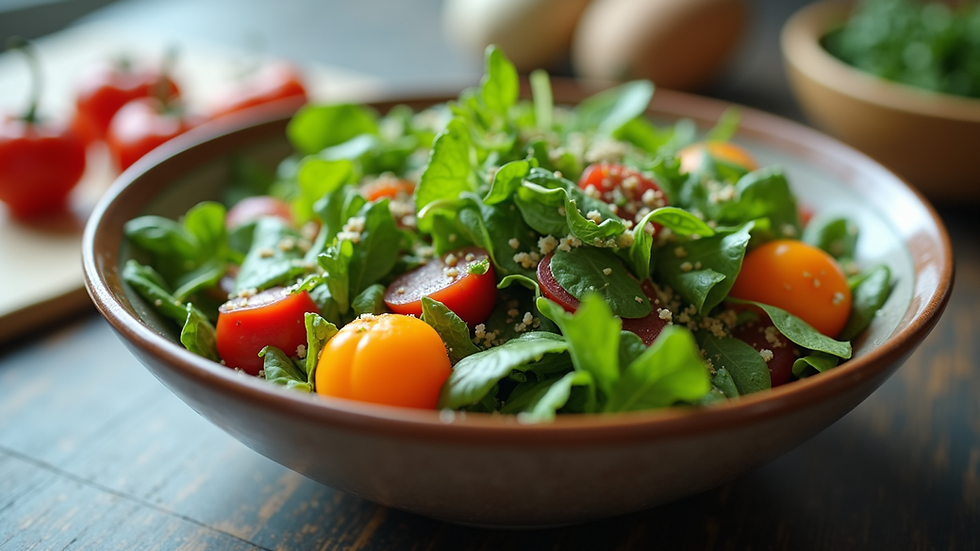
Incorporating these foods into your daily meals can make a big difference. Remember, variety is key. The more colorful your plate, the better it is for your eyes.
What Fruit Is a Miracle for Eyesight?
If I had to pick one fruit that stands out for eye health, it would be the blueberry. Blueberries are packed with antioxidants, especially vitamin C and flavonoids, which help reduce the risk of cataracts and glaucoma. They also improve blood flow to the eyes, which is essential for maintaining good vision.
Eating blueberries regularly can help protect your eyes from oxidative stress and inflammation. You can enjoy them fresh, frozen, or blended into smoothies. Plus, they taste great!
Other fruits like oranges, strawberries, and kiwi also provide vitamin C, which supports the blood vessels in your eyes. So, keep a bowl of fresh fruit handy for a tasty and eye-friendly snack.
Simple Habits to Boost Your Eye Nutrition
Eating the right foods is just one part of the puzzle. How you eat and live also affects your eye health. Here are some easy habits to adopt:
Stay Hydrated - Drinking plenty of water helps prevent dry eyes.
Limit Processed Foods - Too much sugar and unhealthy fats can increase inflammation.
Cook Smart - Steaming or lightly sautéing vegetables preserves their nutrients better than boiling.
Snack Wisely - Choose nuts, seeds, or fresh fruit instead of chips or candy.
Avoid Smoking - Smoking increases the risk of eye diseases.
Wear Sunglasses - Protect your eyes from UV rays, which can damage the retina.
By combining good nutrition with healthy habits, you give your eyes the best chance to stay strong.
How to Make Eye-Friendly Meals for Your Family
Feeding your family with eye health in mind doesn’t have to be complicated. Here are some ideas to get you started:
Breakfast: Scrambled eggs with spinach and a side of fresh fruit.
Lunch: A colorful salad with mixed greens, bell peppers, walnuts, and grilled salmon.
Dinner: Baked sweet potatoes, steamed broccoli, and quinoa.
Snacks: Blueberries, carrot sticks with hummus, or a handful of almonds.
You can also involve your family in meal prep. Kids are more likely to eat healthy foods if they help pick and prepare them. Plus, it’s a fun way to learn about nutrition together.
Keeping Your Eyes Healthy in Jacksonville
Living in Jacksonville means you have access to fresh, local produce year-round. Take advantage of farmers markets and local grocery stores to find the freshest fruits and vegetables. Supporting local growers also means you get nutrient-rich foods that haven’t traveled far.
If you want to learn more about how to care for your eyes through diet and lifestyle, consider visiting a trusted local optical shop. They can offer personalized advice and help you find the right eyewear to protect your vision.
For more detailed information on eye health and nutrition, check out resources from reputable eye care organizations.
Your Next Steps for Better Eye Health
Now that you know how important nutrition is for your eyes, it’s time to take action. Start by adding one or two eye-friendly foods to your meals this week. Maybe swap out a snack for some fresh blueberries or add a handful of spinach to your salad.
Remember, small changes add up over time. Your eyes will thank you for the care you give them today. And if you ever have questions about your vision or need new glasses, don’t hesitate to visit a local optical shop that cares about your community and your health.
Taking care of your eyes is a lifelong journey. Let’s make it a healthy and delicious one!
Comments